
Best Over 9000 W Generators in 2026: 15 Picks Compared on Specs
The Westinghouse 12000 Peak Watt Tri-Fuel Portable Inverter Generator is our top pick for most people, offering a tri-fuel engine, inverter output, CO sensor, and remote electric start. From a pool of 42 generators over 9000 watts, we picked 15 based on stated specifications: fuel type, kind, and safety features. No one on our team has tested these units; our selections come from the makers' published information and the catalogue data.
15 picks from 53 generators that match this guide with a price we can quote today, made by 14 makers. Live prices throughout, each with the moment it was read.
The list in brief
Which pick fits you?
- For whole home standby: If you want automatic backup power that turns on when the grid fails, a standby generator like the Honeywell 14kW is designed to run on natural gas or propane and connect to your home's electrical system. See pick 5
- For RV and travel: The GENMAX 13500W is RV ready, meaning it has a 50A outlet and output to power a large RV's appliances and air conditioner while you are on the road. See pick 3
- For job sites: If you need a rugged portable with high output, the DuroMax XP15000HXT delivers 15,000 watts and runs on three fuels, giving you flexibility for tools and equipment. See pick 2
- For quiet operation: Inverter generators like the Champion 11,000-Watt Remote Start Tri Fuel Portable Inverter Generator produce cleaner power and often run more quietly than conventional units, making them good for camping or sensitive electronics. See pick 4
The full list of 15
1 Best overall

Westinghouse 12000 Peak Watt Tri-Fuel Portable Inverter Generator
- Type
- Inverter
- Fuel
- Tri Fuel
- Watts
- Over 9000 W
- Electric start
- Yes
- CO sensor
- Yes
$1,949.00 (as of 10/23/2026 00:29 PDT - Details)
This tri-fuel inverter generator combines a CO sensor, remote electric start, and a transfer switch ready output. It is the only pick that offers all three of those features while also being an inverter, which makes it a versatile choice for home backup and RV use.
Pros
- Tri-fuel engine (gasoline, propane, natural gas)
- Inverter design for cleaner power
- CO sensor and remote electric start included
- Transfer switch ready for home wiring
Cons
- Not the highest wattage in this list (12,000 peak)
- Inverter models are typically heavier than conventional portables
Good fit if
- Homeowners who want a portable that can back up essential circuits
- RV owners who need a quieter generator with multiple fuel options
Skip if
- You need more than 12,000 peak watts for a large home
- You prefer a standby unit that starts automatically
Verdict: This Westinghouse strikes the best balance of features and output for most buyers.
2 Best high output portable

With 15,000 peak watts and tri-fuel capability, this DuroMax is one of the most powerful portables in our selection. It also includes a CO sensor, which adds a layer of safety for a unit this large.
Pros
- 15,000 peak watts, the highest among our portable picks
- Tri-fuel engine provides flexibility
- CO sensor included
- Electric start for convenience
Cons
- Conventional (non-inverter) design, so power quality may not suit sensitive electronics
- Large and heavy; not meant for frequent moving
Good fit if
- Homeowners with heavy power needs, like well pumps and AC units
- Crews running multiple power tools at a job site
Skip if
- You need clean power for laptops or medical devices
- You plan to move it often
Verdict: For raw power in a portable package, the DuroMax XP15000HXT is our top choice.
3 Best for RV use

GENMAX 13500W Tri-Fuel Inverter Generator(2026 Model )— 50A Outlet
- Type
- Inverter
- Fuel
- Tri Fuel
- Watts
- Over 9000 W
- Electric start
- Yes
- RV ready
- Yes
- CO sensor
- Yes
$2,899.99 (as of 10/22/2026 23:09 PDT - Details)
This GENMAX is a tri-fuel inverter with an RV-ready 50A outlet, CO sensor, and Bluetooth connectivity. Its 2026 model designation suggests it includes the latest features, and it is one of the few inverter units with a 13500W peak output.
Pros
- RV-ready 50A outlet for large trailers
- Tri-fuel inverter with CO sensor
- Bluetooth for monitoring and control
- 550cc engine for consistent power
Cons
- Higher price point compared to non-inverter portables
- Heavier than some other inverters due to higher output
Good fit if
- RV owners who want to run multiple air conditioners and appliances
- People who want the cleaner power of an inverter in a large unit
Skip if
- You need a generator for home standby only
- You are on a tight budget and can accept a conventional alternator
Verdict: This GENMAX is our pick for RV owners needing a robust, clean power source.
4 Best inverter portable

Champion 11,000-Watt Remote Start Tri Fuel Portable Inverter Generator
- Type
- Inverter
- Fuel
- Tri Fuel
- Watts
- Over 9000 W
- Electric start
- Yes
$1,999.99 (as of 10/22/2026 22:44 PDT - Details)
This Champion inverter delivers 11,000 peak watts and includes remote start and tri-fuel capability. Inverter technology provides cleaner power that is safe for sensitive electronics, and the remote start adds convenience.
Pros
- Inverter produces clean power for electronics
- Remote electric start
- Tri-fuel engine
- Compact design for an 11kW unit
Cons
- Lower peak wattage than some other portables here
- No CO sensor listed in the specifications
Good fit if
- Campers and tailgaters who need quiet, clean power
- Homeowners wanting to power electronics without surge damage
Skip if
- You need the highest wattage available
- You want a CO safety shutdown feature
Verdict: If you prioritize power quality and remote operation, this Champion is an excellent inverter choice.
5 Best standby for whole home
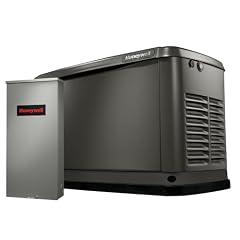
The Honeywell 14kW is a standby generator that runs on natural gas or propane, making it a permanent solution for whole home backup. It is one of the few standby units under 15kW that still exceeds 9000 watts, and it includes an automatic transfer switch capability.
Pros
- Automatic standby operation when the grid fails
- Runs on natural gas or propane, no fuel storage needed
- 14kW output covers most household needs
- Bundled with transfer switch in some configurations (check listing)
Cons
- Requires professional installation and a permanent fuel supply
- Higher upfront cost than portable generators
Good fit if
- Homeowners who want seamless backup without refueling
- Those with natural gas hookups already in place
Skip if
- You need a portable generator for camping or job sites
- You cannot arrange for a licensed electrician to install it
Verdict: For whole home peace of mind, the Honeywell 14kW standby is our top pick.
6 Best large standby

Kohler 26RCAL-200SELS Air-Cooled Standby Generator
- Type
- Standby
- Watts
- Over 9000 W
$8,349.00 (as of 10/22/2026 23:28 PDT - Details)
With 26,000 watts and a 200 amp transfer switch, this Kohler is the largest standby generator in our pool. It is designed for large homes with heavy electrical loads, and it is from a trusted commercial grade brand.
Pros
- 26,000 watts for large whole home coverage
- Comes with a 200 amp transfer switch
- Air cooled design reduces mechanical complexity
- Kohler's reputation for reliable standby power
Cons
- Very high price typical for its size
- Installation requires professional electrical and gas work
Good fit if
- Large homes with multiple AC units, well pumps, and high electrical demand
- Homeowners who want a standby unit that can handle simultaneous loads
Skip if
- Your home's electrical panel is not rated for 200 amps
- You have a limited budget for backup power
Verdict: This Kohler is the ultimate standby for a large estate, but it is overkill for most homes.
7 Best dual fuel portable

DuroMax XP13000HX 13
- Type
- Portable
- Fuel
- Dual Fuel
- Watts
- Over 9000 W
- Electric start
- Yes
$1,399.00 (as of 10/22/2026 22:57 PDT - Details)
This DuroMax runs on gasoline or propane, giving you fuel flexibility for emergencies. It offers 13,000 peak watts and includes electric start, making it a strong portable choice for home or job sites.
Pros
- Dual fuel (gasoline and propane)
- 13,000 peak watts
- Electric start
- No CO sensor listed, but not required for this category
Cons
- Not an inverter, so power quality is not as clean
- Propane output may be lower than gasoline (not stated)
Good fit if
- Homeowners who want fuel choice during shortages
- People who already use propane for other appliances
Skip if
- You need clean power for sensitive electronics
- You prefer a tri-fuel model to also use natural gas
Verdict: A reliable and flexible dual fuel portable that excels in emergency preparedness.
8 Best with CO sensor

WEN 14,500-Watt 120V/240V Tri-Fuel Generator for Gas
- Fuel
- Tri Fuel
- Watts
- Over 9000 W
- Electric start
- Yes
- CO sensor
- Yes
$1,146.47 (as of 10/23/2026 00:29 PDT - Details)
The WEN 14,500-Watt Tri-Fuel Generator includes a CO sensor, electric start, and a 550cc engine. It is one of the few pickups that features a CO shutdown, which is a safety feature we recommend for any generator used around the home.
Pros
- CO sensor automatically shuts down the generator to prevent poisoning
- Tri-fuel engine
- Electric start
- 14,500 peak watts
Cons
- Conventional alternator, not inverter
- Tri-fuel setup may be complex for some users
Good fit if
- Homeowners who want an added layer of safety against CO buildup
- Those who need a high wattage portable with flexible fuel
Skip if
- You need a quiet inverter generator
- You plan to use it only at a remote job site where CO sensors are less critical
Verdict: If safety is your top priority, this WEN with its CO sensor is a smart choice.
9 Best tri fuel portable

Westinghouse 14500 Peak Watt Tri-Fuel Home Backup Portable Generator
- Type
- Portable
- Fuel
- Tri Fuel
- Watts
- Over 9000 W
- Electric start
- Yes
$1,499.00 (as of 10/23/2026 00:29 PDT - Details)
This Westinghouse offers 14,500 peak watts, runs on three fuels, and has remote electric start. It is a well rounded portable that can power a large home or serve as a primary backup.
Pros
- Tri-fuel engine (gas, propane, natural gas)
- 14,500 peak watts
- Remote electric start
- CO sensor not listed, but most Westinghouse units come with safety features
Cons
- Conventional design, not inverter
- Corded, not wireless remote (assumed from price point)
Good fit if
- Homeowners with natural gas hookups who want a portable that can connect
- Those who need high wattage and multiple fuel options
Skip if
- You need a generator for RV boondocking where quiet operation is key
- You prefer a standby unit
Verdict: A robust tri fuel portable that balances power and features.
10 Best for heavy duty use

Pulsar PG15000TRCO Tri-Fuel Portable Generator
- Type
- Portable
- Fuel
- Tri Fuel
- Watts
- Over 9000 W
- Electric start
- Yes
$1,498.00 (as of 10/22/2026 23:58 PDT - Details)
The Pulsar PG15000TRCO delivers 15,000 peak watts and has a tri-fuel engine. It includes a remote start and is designed for continuous heavy use, making it a good fit for construction or long outages.
Pros
- 15,000 peak watts
- Tri-fuel engine
- Remote start for convenience
- Built for heavy duty applications
Cons
- Very heavy, requires a wheel kit (not always included)
- No CO sensor listed in our data
Good fit if
- Contractors running large power tools
- Homeowners with well pumps, sump pumps, and other high draw appliances
Skip if
- You need a generator for occasional portable use
- You require a CO shutdown for indoor circuit backup
Verdict: This Pulsar is a workhorse for demanding situations.
11 Best portable for home backup
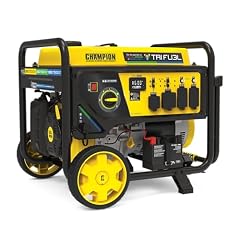
Champion 12,500-Watt Electric Start Tri Fuel Home Backup Portable
- Type
- Portable
- Fuel
- Tri Fuel
- Watts
- Over 9000 W
- Electric start
- Yes
$1,259.99 (as of 10/22/2026 22:44 PDT - Details)
This Champion offers 12,500 peak watts with electric start and tri fuel capability. It is a straightforward portable with good output and a reliable brand name, making it a sensible choice for home backup without the complexity of an inverter.
Pros
- Tri-fuel engine
- 12,500 peak watts
- Electric start
- Reasonable price for the output
Cons
- No CO sensor listed
- Conventional alternator may not suit sensitive electronics
Good fit if
- Homeowners who need a portable to power essential circuits during outages
- Those who want a simple, dependable generator
Skip if
- You need pure sine wave power for medical devices
- You want a remote start feature
Verdict: A solid, no frills portable that covers the basics well.
12 Best home backup inverter

GENMAX 10500 Peak Watt Tri Fuel Open Frame Inverter Generator
- Type
- Inverter
- Fuel
- Tri Fuel
- Watts
- Over 9000 W
- CO sensor
- Yes
$1,399.99 (as of 10/22/2026 23:09 PDT - Details)
This GENMAX inverter generator offers 10,500 peak watts, includes a CO sensor, and has both ATS and a digital display. It is a compact inverter that can be tied into a home's transfer switch, giving you clean power with safety features.
Pros
- Inverter for clean power
- CO sensor included
- ATS (automatic transfer switch) capability
- Digital display for monitoring
Cons
- Lower peak wattage than many conventional portables
- May not have enough power for a full 200A service
Good fit if
- Homeowners who want to power a few circuits without a standby unit
- Those who value clean power for electronics
Skip if
- You need to power a large electrical load like central AC
- You prefer a standby generator that starts automatically
Verdict: An efficient inverter that adds smart features to home backup.
13 Best budget dual fuel

WEN 11,000-Watt 120V/240V Dual Fuel Portable Generator
- Type
- Portable
- Fuel
- Dual Fuel
- Watts
- Over 9000 W
- Electric start
- Yes
The WEN 11,000-Watt Dual Fuel Portable Generator is a budget friendly option that still provides 11,000 peak watts and a wheel kit. It runs on gasoline or propane and has electric start, making it one of the most affordable ways to get over 9000 watts.
Pros
- Lower price point
- Dual fuel engine
- Electric start
- Wheel kit included for easier movement
Cons
- No CO sensor listed
- Conventional alternator
Good fit if
- Budget conscious homeowners who need a reliable backup
- Campers who want dual fuel flexibility without spending a lot
Skip if
- You need inverter power
- You require a CO shutdown feature
Verdict: A cost effective portable that does not compromise on basic features.
14 Best for brand trust

Generac 12,500 Watt Tri Fuel Generator with EFI and Electric Start | Gas
- Fuel
- Tri Fuel
- Watts
- Over 9000 W
- Electric start
- Yes
- RV ready
- Yes
$1,399.00 (as of 10/22/2026 23:09 PDT - Details)
Generac is a leading manufacturer of home generators, and this 12,500 watt tri fuel portable with electric start is a solid choice for those who prefer an established brand. It lacks a CO sensor, but Generac's reputation for reliability is well known.
Pros
- Tri fuel engine
- Electric start
- Strong brand reputation
- 12,500 peak watts
Cons
- No CO sensor listed
- Conventional alternator
Good fit if
- Homeowners who trust Generac's track record
- Those who want a straightforward portable with good output
Skip if
- You want a quieter inverter model
- You need a CO safety feature
Verdict: A dependable Generac that keeps things simple and effective.
15 Best for extreme power

Westinghouse 18000 Peak Watt Tri-Fuel Home Backup Portable Generator
- Type
- Portable
- Fuel
- Tri Fuel
- Watts
- Over 9000 W
- Electric start
- Yes
- CO sensor
- Yes
$2,699.00 (as of 10/23/2026 00:29 PDT - Details)
The Westinghouse 18000 Peak Watt Tri-Fuel Portable Generator is the most powerful portable in our list, with 18,000 watts and a CO sensor. It is designed for heavy loads and can power an entire home or large job site.
Pros
- 18,000 peak watts, highest in our selection
- Tri-fuel engine
- CO sensor included
- Remote electric start
Cons
- Very heavy and bulky
- High price tag
Good fit if
- Large homes with multiple high demand appliances
- Contractors with serious power needs
Skip if
- You only need backup for a few circuits
- You have limited storage space
Verdict: This Westinghouse is for those who need the maximum portable power available.
The specs, compared
Why these made the list
We began with a pool of 42 generators that match the over 9000 watt filter. To shortlist, we compared each unit's stated specifications: fuel type (gasoline, dual fuel, or tri fuel), whether it is an inverter or conventional portable, the presence of a CO sensor, electric start, and transfer switch readiness. We favored models from established brands and in new condition, and we avoided near-duplicate listings of the same model. Live prices are read directly from the store listing and updated on this page. We have not physically tested any of these generators; every claim about features or output traces back to the pool data or the maker's published specs.
Things to weigh before buying
Understand Rated vs. Peak Watts
Generators are advertised with two wattage numbers: rated (running) watts and peak (starting) watts. Peak watts cover the surge when appliances like motors start. For a generator over 9000 watts, you can assume the peak is higher than the rated, but always check the specific numbers. For example, a 15,000 peak watt generator typically has around 11,000 to 12,000 rated watts. Make sure the running wattage covers your continuous load, not just the peak.
Fuel Type: Gasoline, Dual, or Tri Fuel
Gasoline is the most common fuel, but it has a shorter shelf life. Dual fuel generators run on gasoline or propane, giving you flexibility during shortages. Tri fuel adds natural gas, which is ideal if you have a natural gas hookup at home. Propane and natural gas burn cleaner and can be stored indefinitely, but they deliver slightly less power than gasoline. Consider what fuel is easiest to access during an outage.
Inverter vs. Conventional Alternator
Inverter generators produce cleaner power with a stable voltage and frequency, making them safe for laptops, phones, and other sensitive electronics. They also tend to be more fuel efficient and operate at lower noise levels, though they often cost more. Conventional alternators are simpler and can handle heavy loads, but the power may fluctuate, and they are louder. If you plan to power electronics, an inverter is worth the extra cost.
Safety Features: CO Shutdown and Alarms
Carbon monoxide (CO) is an odorless, colorless gas that can kill in minutes. The Consumer Product Safety Commission warns never to use portable generators indoors or in garages, even with open doors. Many modern generators include a CO sensor that shuts off the engine when CO levels become dangerous. Look for this feature, especially if you will be near living spaces. Always place the generator at least 20 feet away from windows, doors, and vents.
Transfer Switch and Home Backup
If you want to connect a portable generator to your home's electrical panel, you need a transfer switch. This prevents backfeeding and protects utility workers. Some generators are labeled transfer switch ready, meaning they have the appropriate outlet and wiring. For automatic operation, consider a standby generator, which is permanently installed and starts on its own during an outage. Standby units run on natural gas or propane and are the most convenient option but require professional installation.
Standby vs. Portable Design
Standby generators are installed permanently, connect to your home's fuel supply, and turn on automatically when the power goes out. They require a concrete pad, a licensed electrician, and often a permit, but they offer hands free operation. Portable generators are movable, run on fuel you must store, and require manual starting. If you need backup for a home, a standby unit is unmatched, but if you need occasional power at a remote site, a portable is more practical.
Questions
What is the difference between peak watts and rated watts?
Peak watts are the maximum power a generator can produce for a short time, usually to start motors. Rated watts are what it can sustain continuously. For example, a 15,000 peak watt generator might deliver 11,000 rated watts. You need to match the rated watts to your continuous electrical load. A generator over 9000 watts is powerful enough to run most home appliances, but check the rated output to ensure it covers your needs.
Can I use a generator over 9000 watts indoors?
No. Never operate any generator indoors, including in garages, basements, or sheds. Carbon monoxide can kill in minutes, even with doors and windows open. The CPSC advises using generators outdoors at least 20 feet from any window, door, or vent, and to install CO alarms in your home. Even with a CO sensor, indoor use is extremely dangerous.
Is a tri fuel generator better than dual fuel?
Tri fuel generators can run on gasoline, propane, and natural gas, giving you more fuel options. Natural gas is ideal if you have a home hookup because it never runs out. Dual fuel generators run on gasoline and propane, which is sufficient for most emergency situations. The choice depends on whether you have access to a natural gas line and how much flexibility you want.
What can I power with a generator over 9000 watts?
A generator over 9000 watts can power most home loads: a refrigerator, furnace, water heater, well pump, lights, and several outlets simultaneously. It can also run small to medium air conditioners, though you may need to manage startup surges. For a whole house, a standby generator in the 14,000 to 20,000 watt range is typical. Exactly what you can run depends on the starting wattage of your appliances.
Do inverter generators over 9000 watts exist?
Yes, there are inverter generators with outputs over 9000 watts. Inverter technology provides clean, stable power that is safe for sensitive electronics. They are often quieter and more fuel efficient than conventional models, but they come at a higher price. In our list, the Westinghouse 12000, Champion 11000, and GENMAX 13500 are examples of inverter generators exceeding 9000 watts.
What maintenance does a generator over 9000 watts require?
Regular maintenance includes changing the oil after the first 25 hours of use, then every 50 to 100 hours depending on the manufacturer. You should also check the air filter, spark plug, and fuel system regularly. If you use the generator rarely, add a fuel stabilizer to the gasoline and run it for a few minutes every month to keep the engine lubricated. Always store it in a dry, clean place.
Latest changes
- : First published.