
Best Dual Fuel Generators in 2026: 15 Picks Compared on Specs
The DuroMax XP13000HX is our top pick for a dual fuel generator because it delivers a powerful 13,000 watts with the flexibility of gasoline or propane, plus electric start. We compared 25 dual fuel portable and standby generators on power output, inverter technology, RV readiness, and safety features like CO sensors, using manufacturer specifications and safety guidance from CPSC and EPA. Prices are live and updated from the listing at the time of writing.
15 picks from 33 generators that match this guide with a price we can quote today, made by 14 makers. Live prices throughout, each with the moment it was read.
The list in brief
Which pick fits you?
- For RV camping: Look for a lightweight inverter with RV-ready outlets. The WEN 3600 is a good fit. See pick 2
- For whole-home backup: A high-wattage portable or standby generator like the DuroMax XP13000HX can cover essentials. See pick 1
- For job sites with power tools: An inverter generator with high wattage and electric start, such as the WEN 6800, keeps power clean. See pick 13
The full list of 15
1 Best overall

DuroMax XP13000HX 13
- Type
- Portable
- Fuel
- Dual Fuel
- Watts
- Over 9000 W
- Electric start
- Yes
$1,399.00 (as of 10/22/2026 22:57 PDT - Details)
With a 13,000-watt output and the ability to switch between gasoline and propane, this portable generator covers a wide range of home backup needs. Its electric start sets it apart from many pull-start models in the same wattage class.
Pros
- 13,000-watt output
- Electric start
- Runs on gasoline or propane
- Portable design
Cons
- Not an inverter generator
- No CO sensor listed in the listing
- Weight not stated
Good fit if
- Homeowners wanting whole-home backup during outages
- Users who need to run large appliances and tools
Skip if
- You need clean power for sensitive electronics (inverter may be better)
- You have limited storage space for a larger unit
Verdict: A solid high-output portable dual fuel generator for serious backup power.
2 Best lightweight inverter
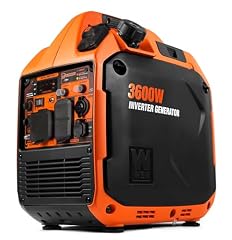
WEN Quiet and Lightweight 3600-Watt Dual Fuel RV-Ready Portable Inverter
- Type
- Inverter
- Fuel
- Dual Fuel
- Watts
- 3000 to 5000 W
- RV ready
- Yes
- CO sensor
- Yes
$521.00 (as of 10/23/2026 00:29 PDT - Details) Typical price: $608.48, 14% off
This inverter generator is designed to be quiet and lightweight, making it a top choice for camping and RV use. It includes RV-ready outlets and a CO watchdog for safety.
Pros
- 3600-watt inverter output
- RV-ready
- CO sensor
- Fuel shutoff
Cons
- Lower power than larger models
- Not for whole-home backup
- No electric start listed
Good fit if
- Campers and RV owners
- Tailgaters who need portable power
Skip if
- You need high power for a house
- You want remote start
Verdict: A great lightweight inverter if portability and safety features matter most.
3 Best inverter for high output

Westinghouse 12000 Peak Watt Dual Fuel Portable Inverter Generator
- Type
- Inverter
- Fuel
- Dual Fuel
- Watts
- Over 9000 W
- Electric start
- Yes
- CO sensor
- Yes
$1,899.00 (as of 10/23/2026 00:29 PDT - Details)
This unit combines inverter technology with a 12,000 peak watts, providing cleaner power for electronics while still delivering plenty of output. Remote electric start and CO sensor add convenience and safety.
Pros
- 12,000 peak watts
- Inverter for clean power
- Remote electric start
- CO sensor
Cons
- Peak wattage is not running wattage
- May be heavier than smaller inverters
- Price likely higher (not stated)
Good fit if
- Those needing clean power for sensitive devices
- Users who want remote start
Skip if
- You only need a few thousand watts
- You prefer a portable frame over inverter style
Verdict: A powerful inverter that gives you clean power and high output.
4 Best compact inverter

PowerSmart 3800 Watt Dual Fuel Inverter Generator for Home Use
- Type
- Inverter
- Fuel
- Dual Fuel
- Watts
- 3000 to 5000 W
$499.99 (as of 10/22/2026 23:57 PDT - Details)
The PowerSmart 3800 is a compact inverter generator that runs on gas or propane. It's a simple, reliable choice for home backup or outdoor use without the added bulk of larger models.
Pros
- 3800-watt inverter
- Dual fuel
- Compact footprint
- Lightweight design
Cons
- No CO sensor listed
- No RV-ready outlet listed
- No electric start
Good fit if
- Homeowners needing occasional backup
- Users who want a lightweight inverter
Skip if
- You need RV outlet
- You want remote start
Verdict: A straightforward compact inverter for everyday portability.
5 Best for RV trips

ERAYAK 4500W Dual-Fuel Portable Inverter Generator for Home Use
- Type
- Inverter
- Fuel
- Dual Fuel
- Watts
- 3000 to 5000 W
- RV ready
- Yes
- CO sensor
- Yes
$559.00 (as of 10/22/2026 23:00 PDT - Details)
With a 4,500-watt inverter output and a 30A RV-ready outlet, this generator is tailored for recreational vehicles. The CO sensor adds a layer of safety while camping.
Pros
- 4,500-watt inverter
- 30A RV-ready
- CO sensor
- Dual fuel
Cons
- No electric start listed
- Peak wattage not stated
- May be louder than some inverters
Good fit if
- RV owners
- Campers who need reliable power
Skip if
- You need electric start
- You need more than 5,000 watts
Verdict: A practical inverter for RV power with essential safety features.
6 Best RV-ready inverter

Champion 4000-Watt Dual Fuel RV Ready Portable Inverter Generator
- Type
- Inverter
- Fuel
- Dual Fuel
- Watts
- 3000 to 5000 W
- RV ready
- Yes
$719.00 (as of 10/22/2026 22:44 PDT - Details)
Champion's 4000-watt inverter is built for RV use with a dedicated RV outlet. It's a solid mid-range inverter that doesn't sacrifice power for portability.
Pros
- 4,000-watt inverter output
- RV-ready
- Dual fuel
- Known brand reliability
Cons
- No CO sensor listed
- No electric start
- Limited to 4,000 watts
Good fit if
- RV owners
- Campers wanting a trusted brand
Skip if
- You need more power
- You want a CO sensor
Verdict: A dependable RV inverter that covers typical camping needs.
7 Best for parallel connection

A-iPower 2300W Dual Fuel Inverter Generator
- Type
- Inverter
- Fuel
- Dual Fuel
- Watts
- Under 3000 W
- RV ready
- Yes
$418.49 (as of 10/23/2026 00:37 PDT - Details) Typical price: $464.99, 10% off
This 2,300-watt inverter is designed to be parallel ready, allowing you to connect two units for more power. It's ultra-portable and perfect for small loads or pairing.
Pros
- 2,300-watt compact size
- Parallel ready
- RV ready
- Inverter for clean power
Cons
- Low power for large appliances
- No CO sensor listed
- No electric start
Good fit if
- Campers needing a small generator
- Users who plan to parallel two units
Skip if
- You need over 3,000 watts
- You want a single unit for home backup
Verdict: A versatile lightweight inverter with parallel capability.
8 Best portable for high wattage

Pulsar G12KBN Heavy Duty Portable Dual Fuel Generator
- Type
- Portable
- Fuel
- Dual Fuel
- Watts
- Over 9000 W
- Electric start
- Yes
- RV ready
- Yes
$929.99 (as of 10/22/2026 23:58 PDT - Details)
The Pulsar offers a 9,500 rated watts and 12,000 peak watts, making it one of the most powerful portable options in this list. Electric start and RV readiness add versatility.
Pros
- 9,500 rated watts
- 12,000 peak watts
- Electric start
- RV ready
Cons
- Not an inverter
- No CO sensor listed
- Large and heavy footprint
Good fit if
- Users needing heavy power for home or job site
- Those who want electric start
Skip if
- You need clean power for electronics
- You want a compact unit
Verdict: A powerful portable generator for demanding applications.
9 Best standby for whole home
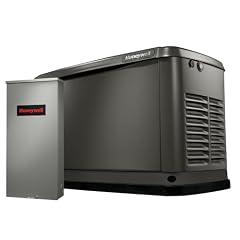
This 14kW standby generator runs on natural gas or propane and automatically supplies power during outages. It's a permanent solution for whole-home backup.
Pros
- 14kW capacity
- Automatic transfer
- Runs on natural gas or propane
- Standby design
Cons
- Requires professional installation
- Not portable
- Fuel supply depends on your home's gas line or propane tank
Good fit if
- Homeowners wanting automatic backup
- People with frequent outages
Skip if
- You need a portable solution
- You don't have natural gas or propane infrastructure
Verdict: An excellent standby choice for seamless whole-home backup.
10 Best inverter with electric start

WEN Quiet and Lightweight 4800-Watt Dual Fuel RV-Ready Electric Start
- Type
- Inverter
- Fuel
- Dual Fuel
- Watts
- 3000 to 5000 W
- Electric start
- Yes
- RV ready
- Yes
- CO sensor
- Yes
$647.00 (as of 10/23/2026 00:29 PDT - Details)
This 4,800-watt inverter includes electric start and RV-ready outlets, making it easy to operate and connect. The CO sensor and fuel shutoff add safety.
Pros
- 4,800-watt inverter
- Electric start
- RV ready
- CO sensor
Cons
- May be heavier than smaller models
- Peak wattage not listed
- Noise level not stated
Good fit if
- Users who want electric start in an inverter
- RV owners needing more power
Skip if
- You want a smaller lighter unit
- You don't need electric start
Verdict: A convenient inverter with electric start and RV readiness.
11 Best portable with CO sensor

Westinghouse 12500 Peak Watt Dual Fuel Home Backup Portable Generator
- Type
- Portable
- Fuel
- Dual Fuel
- Watts
- Over 9000 W
- Electric start
- Yes
- CO sensor
- Yes
$1,049.00 (as of 10/23/2026 00:29 PDT - Details)
With 12,500 peak watts and a CO sensor, this portable generator provides high output while keeping carbon monoxide safety in mind. Electric start is included.
Pros
- 12,500 peak watts
- CO sensor
- Electric start
- Dual fuel
Cons
- Not an inverter
- Peak watts not running watts
- Large footprint
Good fit if
- Home backup with safety features
- Users who need high wattage and CO monitoring
Skip if
- You need clean power
- You want a smaller generator
Verdict: A high-capacity portable generator with built-in CO protection.
12 Best open-frame inverter

Champion 4250-Watt Dual Fuel Portable Open Frame Inverter Generator
- Type
- Inverter
- Fuel
- Dual Fuel
- Watts
- 3000 to 5000 W
$653.28 (as of 10/22/2026 22:44 PDT - Details)
This Champion 4,250-watt inverter has an open frame design for easier access, yet still delivers inverter-clean power. It's a solid choice for sensitive electronics.
Pros
- 4,250-watt inverter
- Open frame design
- Dual fuel
- CARB compliant (from name)
Cons
- No CO sensor listed
- No RV outlet listed
- No electric start
Good fit if
- Users needing clean power in an open frame
- Those who want CARB compliance
Skip if
- You want a closed frame for noise reduction
- You need RV outlet
Verdict: A reliable open-frame inverter for clean power at job sites.
13 Best inverter for heavy equipment
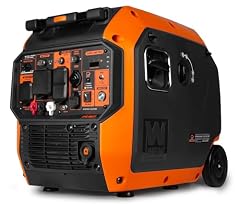
WEN 6800-Watt Dual Fuel RV-Ready Electric Start Portable Inverter
- Type
- Inverter
- Fuel
- Dual Fuel
- Watts
- 5001 to 9000 W
- Electric start
- Yes
- RV ready
- Yes
- CO sensor
- Yes
$798.00 (as of 10/23/2026 00:29 PDT - Details)
The 6,800-watt inverter provides enough power for tools and appliances while maintaining inverter technology for stable output. It includes electric start and RV readiness.
Pros
- 6,800-watt inverter
- Electric start
- RV ready
- CO sensor
Cons
- Not the highest output
- May be heavy
- Peak wattage not specified
Good fit if
- Users with power-hungry tools
- Those who need inverter stability
Skip if
- You need over 7,000 watts
- You want a lightweight unit
Verdict: A strong inverter for heavy loads without sacrificing clean power.
14 Best for large homes

Westinghouse 14500 Peak Watt Dual Fuel Home Backup Portable Generator
- Type
- Portable
- Fuel
- Dual Fuel
- Watts
- Over 9000 W
- Electric start
- Yes
$1,349.00 (as of 10/23/2026 00:29 PDT - Details)
With a 14,500 peak watts, this portable generator is among the highest-output models in the list. It's suited for powering an entire home during extended outages.
Pros
- 14,500 peak watts
- Electric start
- Dual fuel
- High capacity
Cons
- Not an inverter
- Peak wattage not running watts
- Requires large storage space
Good fit if
- Large homes with high power needs
- Users who want maximum portable output
Skip if
- You need clean power
- You have limited storage
Verdict: A powerhouse portable generator for demanding backup scenarios.
15 Best ultra-light

Westinghouse 2550 Peak Watt Super Quiet & Lightweight Portable Inverter
- Type
- Inverter
- Fuel
- Dual Fuel
- Watts
- Under 3000 W
- RV ready
- Yes
- CO sensor
- Yes
$529.00 (as of 10/23/2026 00:29 PDT - Details)
This 2,550 peak watt inverter is one of the lightest and quietest options, ideal for camping or tailgating. It's RV-ready and includes a CO sensor.
Pros
- Ultra-lightweight (as suggested by 'super quiet' in name)
- 2,550 peak watts
- RV ready
- CO sensor
Cons
- Low power output
- No electric start
- Not for home backup
Good fit if
- Campers
- Tailgaters who want minimal weight
Skip if
- You need more than 3,000 watts
- You want to power a home
Verdict: A compact, quiet inverter for on-the-go power.
The specs, compared
Why these made the list
We started with 25 dual fuel generators from the pool, filtering for units that run on both gasoline and propane. We shortlisted based on wattage, inverter type (which affects noise and clean power), portability, RV readiness, electric start, and the presence of CO shutoff sensors as recommended by CPSC. We did not physically test these units; the selections rest on the specifications listed by the manufacturers and safety advice from federal agencies. All prices shown are live from the store listing and may change.
Things to weigh before buying
Understand running watts vs. peak watts
Peak wattage indicates the maximum output a generator can produce for a short period, such as during motor startup. Running wattage is the continuous output the generator can sustain. When sizing, add up the running watts of all the appliances and tools you need to power simultaneously, and choose a generator with a running wattage at or above that total.
Inverter vs. portable: which is right?
Inverter generators produce cleaner electricity (lower total harmonic distortion) and typically run quieter and at lower RPMs when the load is light, making them better for sensitive electronics like laptops and smartphones. Portable generators (often called open-frame or conventional) are usually cheaper and can provide higher wattage, but they run at a constant engine speed and can be noisier and less efficient. If you need to power computers or entertainment systems, an inverter is the safer bet.
Check for CO sensors and safety features
Carbon monoxide is an odorless, colorless gas that can be fatal. The CPSC and CDC recommend never operating a portable generator indoors and keeping it at least 20 feet from windows, doors, and vents. Many modern generators include built-in CO sensors that shut off the unit when CO levels become dangerous. Look for a model with this feature, especially if you plan to use a generator in an RV or near a home. The CPSC's safety guides stress the importance of CO alarms and outdoor use.
Consider fuel availability and runtime
Dual fuel generators run on gasoline or propane. Propane has a longer shelf life and burns cleaner, but it may be less energy-dense, meaning slightly lower running watts. Check the runtime specifications for both fuel types to ensure you have enough capacity for your needs. Some models list runtime in hours at a certain load, so use those numbers to estimate how long you can keep your essentials running during an outage.
Think about portability and weight
If you plan to move your generator between locations, for camping, tailgating, or job sites, weight and wheel kit are important. Inverter models often have a more compact and lighter frame, but high-output portables can be heavy. Look at the stated weight in the specifications and decide if you can handle it. Some units offer a wheel kit or folding handles for easier transport.
Questions
What does dual fuel mean for a generator?
A dual fuel generator can run on either gasoline or propane (and sometimes natural gas). You switch between fuels using a selector valve. This provides flexibility in what you have available during an emergency. Propane has a longer shelf life and may be more accessible in some areas, while gasoline is often cheaper and more widely available. Always check the manufacturer's instructions for how to switch safely.
How many watts do I need for essential home backup?
The number of watts you need depends on the running wattage of each appliance you want to power. Common running wattages include a refrigerator at 600 to 800 watts, a sump pump at 600 to 700 watts, and a furnace fan at 750 watts. Add these figures for all essential devices to determine your total need, then select a generator whose running wattage exceeds that sum.
Is it safe to run a dual fuel generator indoors?
No. Never operate any portable generator indoors, including in garages, basements, or sheds, even if doors and windows are open. Carbon monoxide is a colorless, odorless gas that can kill you in minutes, as emphasized by the CPSC and CDC. Only use a generator outdoors, at least 20 feet away from any windows, doors, or vents, with the exhaust directed away. Install battery-operated CO alarms in your living spaces.
Can I connect a dual fuel generator to my home's electrical panel?
If a generator is marked as 'transfer switch ready' or 'fully wired for transfer switch', you can connect it to a transfer switch that isolates your home's circuits. This should be done by a licensed electrician to ensure safety and compliance with local codes. Never plug a generator directly into a wall outlet, a practice called 'backfeeding', because it can electrocute utility workers and damage equipment.
Latest changes
- : First published.