
Best 5001-9000 Watt Generators in 2026: 12 Picks Compared on Specs
The Westinghouse 8200 Peak Watt Tri-Fuel Inverter Generator tops our list for its combination of high output, tri-fuel flexibility, and inverter efficiency, making it a strong choice for home backup and RV use. We selected 12 generators in this wattage range based on their published specifications, fuel types, and safety features, and we have not tested them. Prices shown are live from the retail listing.
12 picks from 12 generators that match this guide with a price we can quote today, made by 14 makers. Live prices throughout, each with the moment it was read.
The list in brief
Which pick fits you?
- For home backup with dual-fuel flexibility: If you want to run on gasoline or propane and have a transfer switch, the Westinghouse 6600 Watt Dual Fuel Home Backup Generator offers both fuel types and 30A outlets. See pick 4
- For RV adventures: The WEN 6800-Watt Dual Fuel RV-Ready Inverter Generator is quiet and light enough for camping, with RV-ready outlets and fuel shutoff. See pick 3
- For maximum tri-fuel output: The Champion 8500-Watt Remote Start Tri Fuel Inverter Generator delivers 8500 watts of peak power and runs on gas, propane, or natural gas. See pick 2
- For simple gas operation: The Generac 8125 Starting Watt Portable Generator provides reliable gas power with electric start for straightforward home backup. See pick 12
The full list of 12
1 Best overall

Westinghouse 8200 Peak Watt Tri-Fuel Portable Inverter Generator
- Type
- Inverter
- Fuel
- Tri Fuel
- Watts
- 5001 to 9000 W
- Electric start
- Yes
- CO sensor
- Yes
$1,399.00 (as of 10/23/2026 00:29 PDT - Details)
Combines an 8,200-watt peak output with tri-fuel capability, inverter technology, remote electric start, and a CO sensor. Uniquely pairs all these features in one unit, making it the most versatile pick in this range.
Pros
- Tri-fuel: runs on gasoline, propane, or natural gas
- Inverter technology provides cleaner power for electronics
- CO sensor shuts off the engine automatically
- Remote electric start for convenient operation
Cons
- Peak output at 8,200 watts is not the highest on this list (the WEN GN875i reaches 8,750)
- No running time specifications provided in the listing
Good fit if
- Home backup when you want fuel flexibility
- RV use with transfer switch hookup
Skip if
- Need more than 8,200 watts of peak power
- Prefer a generator with a built-in wheel kit (not stated)
Verdict: The best all-around choice for buyers who want high output and multiple fuel options in an inverter.
2 Best high-output tri-fuel

Champion 8500-Watt Remote Start Tri Fuel Portable Inverter Generator
- Type
- Inverter
- Fuel
- Tri Fuel
- Watts
- 5001 to 9000 W
- Electric start
- Yes
$1,542.00 (as of 10/22/2026 22:44 PDT - Details)
Delivers one of the highest peak outputs in this group at 8,500 watts, while staying an inverter type. The tri-fuel setup adds flexibility. However, it lacks a CO sensor, which is a notable omission for home use.
Pros
- 8,500-watt peak output, among the top tier here
- Inverter generator for clean power
- Tri-fuel capability (gasoline, propane, natural gas)
- Remote start for easy operation
Cons
- No CO sensor listed
- No RV readiness mentioned
- Larger size due to higher output and inverter design
Good fit if
- Large power needs and multiple fuel sources
- Job sites where electronics are used
Skip if
- You want a CO sensor for safety
- You need RV-ready connections
Verdict: A strong high-output tri-fuel inverter, but the missing CO sensor may be a dealbreaker for home backup.
3 Best for RV
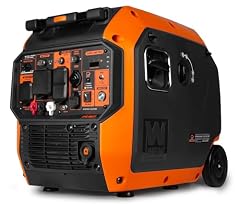
WEN 6800-Watt Dual Fuel RV-Ready Electric Start Portable Inverter
- Type
- Inverter
- Fuel
- Dual Fuel
- Watts
- 5001 to 9000 W
- Electric start
- Yes
- RV ready
- Yes
- CO sensor
- Yes
$798.00 (as of 10/23/2026 00:29 PDT - Details)
Specifically marketed as RV-ready with a 30A outlet and dual-fuel operation. Its inverter design keeps noise levels low and power clean. The CO watchdog and fuel shutoff are valuable safety features.
Pros
- RV-ready with 30A outlet
- Dual-fuel (gasoline or propane)
- Inverter for quiet operation
- CO watchdog safety shutoff
Cons
- 6,800-watt peak is on the lower end of this range
- No remote start, only electric start via key or button
Good fit if
- RV owners wanting a quiet generator
- Campers who need a dual-fuel source
Skip if
- Need more than 6,800 watts
- Require a remote start feature
Verdict: The top pick for RV enthusiasts who want dual-fuel flexibility and inverter quietness.
4 Best dual fuel for home backup

Westinghouse 6600 Watt Dual Fuel Home Backup Portable Generator
- Type
- Portable
- Fuel
- Dual Fuel
- Watts
- 5001 to 9000 W
- Electric start
- Yes
- RV ready
- Yes
- CO sensor
- Yes
$649.00 (as of 10/23/2026 00:29 PDT - Details)
A straightforward dual-fuel portable generator with a CO sensor, RV outlet, and transfer switch readiness. It offers remote electric start, making it easy to operate from a distance.
Pros
- Dual-fuel (gasoline or propane)
- Remote electric start
- CO sensor
- RV and transfer switch ready
Cons
- 6,600-watt peak is lower than most here
- Not an inverter, so output is less clean for sensitive electronics
Good fit if
- Home backup with transfer switch
- Users wanting dual-fuel convenience
Skip if
- Need inverter technology
- Require more than 6,600 watts
Verdict: A reliable dual-fuel companion for home backup with remote start and safety features.
5 Best open-frame inverter

GENMAX Portable Inverter Generator
- Type
- Inverter
- Fuel
- Gasoline
- Watts
- 5001 to 9000 W
- Electric start
- Yes
An open-frame inverter with a 6,000-watt peak, electric start, and gasoline fuel. It's one of the few open-frame inverter options, which may be easier to service. However, it lacks a CO sensor and is only gasoline.
Pros
- Inverter technology for clean power
- Open frame for easier maintenance access
- Electric start
Cons
- No CO sensor
- Gasoline only
- Lowest peak wattage in this list at 6,000 watts
Good fit if
- Job sites where portability matters
- People who prefer open-frame design
Skip if
- Need dual-fuel or CO sensor
- Require higher output
Verdict: A practical open-frame inverter for basic needs, but limited by fuel type and safety features.
6 Best remote start with CO sensor

Westinghouse 6600 Watt Home Backup Portable Generator
- Type
- Portable
- Watts
- 5001 to 9000 W
- Electric start
- Yes
- RV ready
- Yes
- CO sensor
- Yes
$649.00 (as of 10/23/2026 00:29 PDT - Details)
This gasoline model adds remote electric start with auto choke and includes a CO sensor, RV outlet, and transfer switch readiness. It's a simple, reliable choice for basic home backup.
Pros
- CO sensor
- Remote electric start with auto choke
- RV-ready 30A outlet
- Transfer switch ready
Cons
- Gasoline only
- 6,600-watt peak
- Not inverter type
Good fit if
- Basic home backup
- Users who want a reliable electric start
Skip if
- Need dual-fuel or inverter power
- Require more than 6,600 watts
Verdict: A solid gasoline generator with remote start and CO safety for fuss-free backup.
7 Best dual fuel with 120/240V

WEN 8000-Watt 120V/240V Dual Fuel Portable Generator
- Type
- Portable
- Fuel
- Dual Fuel
- Watts
- 5001 to 9000 W
- Electric start
- Yes
- RV ready
- Yes
- CO sensor
- Yes
$623.17 (as of 10/23/2026 00:29 PDT - Details)
Offers 8,000 watts of peak power with dual-fuel operation and both 120V and 240V output. It includes a CO sensor, RV and transfer switch readiness, and electric start. A solid choice for larger home power needs.
Pros
- 8,000-watt peak output
- Dual-fuel (gasoline/propane)
- 120V and 240V outlets
- CO sensor
Cons
- Not an inverter, so may be louder and less clean power
- No remote start, only electric start
Good fit if
- Large appliances or whole-house backup when transfer switch is used
- Users needing dual fuel
Skip if
- Want inverter technology
- Need remote start
Verdict: A powerful dual-fuel generator with 240V output, ideal for heavier electrical loads.
8 Best tri-fuel portable

Champion 8125-Watt Electric Start Tri Fuel Portable Generator
- Type
- Portable
- Fuel
- Tri Fuel
- Watts
- 5001 to 9000 W
- Electric start
- Yes
$999.00 (as of 10/22/2026 22:44 PDT - Details)
A traditional portable generator with 8,125 peak watts and tri-fuel capability. It's straightforward and offers electric start. It lacks a CO sensor and is not an inverter.
Pros
- 8,125-watt peak
- Tri-fuel (gasoline, propane, natural gas)
- Electric start
Cons
- No CO sensor
- Not inverter type
- No RV readiness mentioned
Good fit if
- High power demands with multiple fuel options
- Users who don't need inverter output
Skip if
- Need a CO sensor
- Want an inverter for sensitive electronics
Verdict: A reliable tri-fuel workhorse for heavy-duty needs, but safety and power purity are limited.
9 Best dual fuel with manual start

Westinghouse 6500 Watt Dual Fuel Home Backup Portable Generator
- Type
- Portable
- Fuel
- Dual Fuel
- Watts
- 5001 to 9000 W
- RV ready
- Yes
- CO sensor
- Yes
$579.00 (as of 10/23/2026 00:29 PDT - Details)
This dual-fuel model is the only one here without electric start, making it more affordable and simpler. It still has a CO sensor and RV/transfer switch outlets.
Pros
- Dual-fuel (gasoline/propane)
- CO sensor
- RV and transfer switch ready
Cons
- No electric start, must be pull-started
- 6,500-watt peak is low
- Not inverter
Good fit if
- Budget-conscious users comfortable with manual start
- Basic backup
Skip if
- You want electric start
- Need more power
Verdict: A no-frills dual-fuel generator with safety features, perfect for those who don't mind pulling a cord.
10 Best high-wattage inverter

WEN GN875i RV/Transfer-Switch-Ready 8750-Watt Electric Start Open Frame
- Type
- Inverter
- Watts
- 5001 to 9000 W
- Electric start
- Yes
$899.99 (as of 10/23/2026 00:29 PDT - Details)
The highest peak wattage in this list at 8,750 watts, with inverter technology and electric start. It's RV and transfer switch ready, but it doesn't list a CO sensor or fuel type, so it's likely gasoline.
Pros
- 8,750-watt peak, the highest here
- Inverter generator
- Electric start
- RV and transfer switch ready
Cons
- No CO sensor listed
- Fuel type not specified (likely gasoline)
- Open-frame design may be noisier
Good fit if
- Need maximum output with clean power
- RV users requiring high wattage
Skip if
- You want CO protection
- Need dual-fuel flexibility
Verdict: The most powerful inverter in the group, but the missing CO sensor and unspecified fuel are downsides.
11 Best gasoline with CO sensor
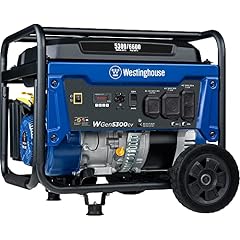
Westinghouse 6600 Peak Watt Home Backup Portable Generator
- Type
- Portable
- Fuel
- Gasoline
- Watts
- 5001 to 9000 W
- RV ready
- Yes
- CO sensor
- Yes
$529.00 (as of 10/23/2026 00:29 PDT - Details)
A simple gasoline generator with CO sensor and RV/transfer switch outlets, but no electric start. A reliable basic option for home backup.
Pros
- CO sensor
- RV and transfer switch ready
- Simple operation
Cons
- No electric start
- Gasoline only
- 6,600-watt peak
Good fit if
- Basic home backup
- Users who don't mind pulling a cord
Skip if
- Need electric start
- Want dual-fuel
Verdict: A cost-effective gasoline generator with essential safety features, minus the convenience of electric start.
12 Best simple electric start

Generac 8,125 Starting Watt Portable Gas Generator
- Type
- Portable
- Fuel
- Gasoline
- Watts
- 5001 to 9000 W
- Electric start
- Yes
$899.00 (as of 10/22/2026 23:09 PDT - Details)
Generac is a well-known brand, and this model provides 8,125 watts with electric start. It's a standard portable generator without inverter or CO sensor.
Pros
- 8,125-watt peak
- Electric start
- Trusted brand name
Cons
- No CO sensor
- Gasoline only
- Not inverter type
Good fit if
- Users who trust Generac
- Simple high-power backup
Skip if
- Need CO safety
- Want fuel flexibility
Verdict: A straightforward, high-wattage generator from a reputable brand, ideal for those who prioritize ease of starting.
The specs, compared
Why these made the list
We reviewed 12 portable generators rated between 5,001 and 9,000 watts from the available pool. We shortlisted based on fuel versatility, inverter vs. conventional design, electric start, RV readiness, transfer switch compatibility, and carbon monoxide sensors. Every unit was chosen from its manufacturer's stated specs and catalog data. Prices on this page update live from the store listing; none of these units were tested by us.
Things to weigh before buying
Understanding your power needs
To size a generator, list the appliances and devices you want to run simultaneously. Add their starting and running wattages; starting wattage is often higher. For a typical home, the U.S. Energy Information Administration reports the average household uses about 10,500 kWh per year, but during an outage you only need to power essentials like refrigerators, lights, and a sump pump. A 5,000-9,000 watt unit covers most critical loads, but verify your specific requirements before buying.
Fuel types: gasoline, propane, and natural gas
Gasoline is the most common and easiest to store short-term, but it degrades over time. Propane has a longer shelf life and burns cleaner. Natural gas offers unlimited supply if you have a line, but requires a permanent connection. Tri-fuel generators accept all three, giving you maximum flexibility. Consult the EIA's natural gas overview for supply considerations. Choose based on what fuel is readily available and how you plan to store it.
Inverter vs. conventional generators
Inverter generators produce cleaner, more stable power with lower harmonic distortion, making them safe for sensitive electronics like laptops and medical devices. They also tend to be more fuel-efficient and quieter. Conventional portable generators are typically heavier, louder, and produce less clean power, but they often deliver higher wattage for a lower cost. If you need to power electronics or want reduced noise, an inverter is the better choice.
Safety features: CO sensors and placement
Carbon monoxide (CO) is an odorless, colorless gas that can be fatal. The CPSC warns never to run a generator indoors, in a garage, or near windows. Look for units with built-in CO sensors that shut down the engine if CO levels build up. Always operate outdoors, at least 20 feet from the house, with exhaust pointing away. Install battery-operated CO alarms in your home for additional protection, as recommended by the CDC.
Start methods: electric, remote, and manual
Electric start uses a battery and key or button, sparing you the effort of pulling a cord. Remote start adds the convenience of starting the generator from a distance, which is handy during bad weather. Manual pull-start is the simplest and requires physical effort. Some models include both manual and electric options as a backup. Consider who will be operating the generator and how often you'll need it.
RV and transfer switch compatibility
If you plan to power an RV, look for a 30A RV outlet or an adapter. For home backup, a transfer switch safely connects the generator to your home's wiring without backfeeding. Many models are labeled 'transfer switch ready' and include a 30A outlet for this. Ensure the generator's wattage and outlet configuration match your needs, and always have a qualified electrician install a transfer switch.
Questions
Can I run a 5001-9000 watt generator indoors?
No. Never operate any portable generator indoors, in a garage, basement, or shed. The engine produces carbon monoxide, an odorless, colorless gas that can kill you in minutes. Always run the generator outdoors, far from windows, doors, and vents. Use a battery-operated CO alarm inside your home for extra safety, as emphasized by the CPSC and CDC.
What is the difference between starting watts and running watts?
Starting watts (or surge watts) is the brief power spike needed to start motor-driven appliances like refrigerators or air conditioners. Running watts is the continuous amount needed to keep them on. A 5001-9000 watt generator's peak wattage typically refers to starting watts. Ensure the generator's peak watts exceed the sum of all starting watts you expect to draw at once.
How do I choose between a conventional and an inverter generator?
Inverter generators provide cleaner power and run quieter, making them ideal for electronics and camping. They are also more fuel-efficient, but often cost more and have lower peak wattage. Conventional generators offer more power for the money and are simpler, but their power can have fluctuations that might harm sensitive devices. Choose an inverter if you need clean, quiet power; otherwise, a conventional model may be sufficient.
Do I need a CO sensor on my generator?
While not mandatory on all models, a built-in CO sensor adds a layer of protection. If the sensor detects high carbon monoxide levels, it shuts down the engine automatically, reducing the risk of poisoning. Even with a sensor, you must always operate the generator outdoors and away from openings. The CPSC recommends having CO alarms in your home to alert you to any accumulation.
Can I connect a 5001-9000 watt generator to my home's electrical panel?
Yes, but you must use a properly installed transfer switch to prevent backfeed, which can harm utility workers and damage equipment. Many generators in this range are 'transfer switch ready' with a 30A outlet. An electrician should do the installation to comply with local codes and ensure safe operation. Never plug a generator directly into a wall outlet without a transfer switch.
Latest changes
- : First published.